

Businesses are more than just profit-making entities. Over the years, companies have increasingly realized their role in shaping society, addressing social issues, and promoting sustainability.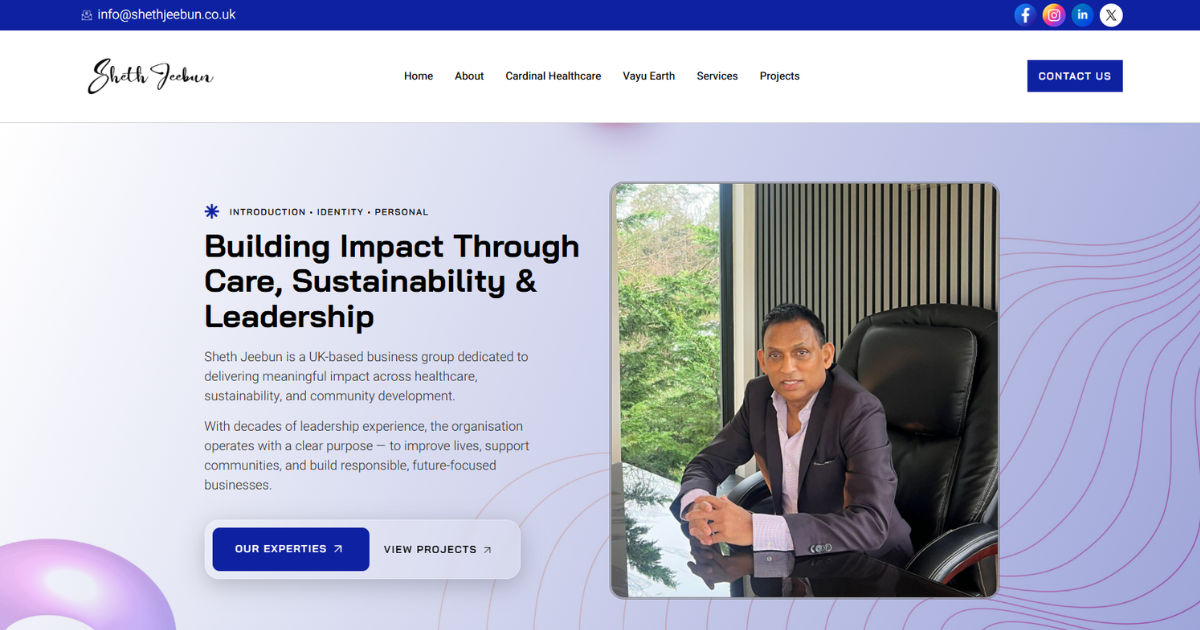
One notable example in the healthcare industry is the approach of Sheth Jeebun healthcare operations management, which not only focuses on efficient operations but also emphasizes the broader impact of healthcare on communities.
By implementing ethical practices, supporting local communities, and innovating solutions for social problems, businesses can drive positive change that goes far beyond financial performance.
In this guide, we will explore the many ways businesses contribute to social change, the strategies they use, real-world examples, and the long-term effects of these initiatives.
Whether you are a student, an entrepreneur, or someone interested in the intersection of business and society, this post provides a detailed roadmap for understanding how commerce can be a force for good.
Social Change
Social change refers to shifts in society’s behaviors, norms, and values over time. These shifts can address critical issues such as poverty, education, health, environmental protection, and equality. Businesses, with their resources, influence, and innovation, play a key role in accelerating social change. Unlike governments or non-profits, businesses can reach large audiences quickly, mobilize significant resources, and create sustainable models that solve social problems while still generating revenue.
Social change often happens in response to societal needs. For example, companies that recognize the impact of environmental degradation have adopted eco-friendly practices. Similarly, firms that see the importance of healthcare access have invested in programs that provide affordable medical solutions. These efforts show that business strategies can be aligned with social responsibility, creating a win-win scenario for both society and the organization.
The Role of Corporate Social Responsibility (CSR)
Corporate Social Responsibility (CSR) is one of the most recognized ways businesses contribute to social change. CSR refers to a company’s commitment to manage its social, environmental, and economic effects responsibly. This includes initiatives that benefit employees, communities, and the environment.
Businesses implement CSR in various ways. For example, some companies focus on philanthropy, donating to charities or funding community programs. Others take a more strategic approach, integrating CSR into their core operations. Companies that adopt Sheth Jeebun healthcare operations management principles often demonstrate that socially responsible practices can coexist with efficient business processes. By designing healthcare systems that are both effective and equitable, they show how CSR can produce real, measurable outcomes.
CSR initiatives can also enhance brand reputation, employee satisfaction, and customer loyalty. When consumers see that a company genuinely cares about societal issues, they are more likely to support its products or services. Over time, CSR can influence industry standards, encouraging competitors to adopt similar socially responsible behaviors.
Businesses and Environmental Sustainability
One of the most pressing areas of social change today is environmental sustainability. Businesses contribute to this change by adopting sustainable practices that reduce their ecological footprint. This includes reducing waste, using renewable energy, improving supply chain efficiency, and designing sustainable products.
For instance, many companies now prioritize green energy in their operations. Factories powered by solar or wind energy, offices with reduced water usage, and supply chains optimized for minimal emissions are becoming increasingly common. By committing to sustainable practices, businesses help mitigate climate change, preserve natural resources, and inspire consumers to make environmentally conscious choices.
Businesses can also play a role in raising awareness. Marketing campaigns that promote sustainable products or educate the public about conservation can reach millions of people, creating a ripple effect that extends far beyond the company’s immediate operations. In healthcare, firms using Sheth Jeebun healthcare operations management strategies often implement environmentally conscious practices, such as reducing medical waste or using energy-efficient equipment, demonstrating the link between operational efficiency and social responsibility.
Promoting Education and Skill Development
Education is a key driver of social change, and businesses are increasingly involved in supporting learning and skill development. Companies invest in training programs for employees, sponsor scholarships for students, and partner with schools or universities to improve educational infrastructure.
Corporate programs that promote education often focus on practical skills, helping individuals prepare for the workforce. For example, technology firms may offer coding bootcamps, while healthcare companies might fund programs to train nurses or lab technicians. By doing so, businesses help reduce unemployment, empower individuals, and build a more skilled and capable workforce.
In addition, businesses contribute to social change by providing mentorship and internships. These initiatives give students real-world experience, exposing them to professional environments and fostering innovation. Companies that combine these programs with principles like Sheth Jeebun healthcare operations management show how operational excellence and social responsibility can work hand in hand, creating long-lasting benefits for both employees and society.
Driving Health and Wellness Initiatives
Health is a fundamental aspect of social well-being, and businesses play a crucial role in promoting wellness. Companies in the healthcare sector, particularly those following Sheth Jeebun healthcare operations management standards, are leading the way by improving access to medical services, developing affordable treatments, and implementing preventive care programs.
Beyond healthcare organizations, businesses in other industries also promote wellness through workplace programs. Initiatives such as fitness challenges, mental health support, healthy food options, and wellness seminars demonstrate a commitment to the well-being of employees and the broader community. These efforts contribute to social change by reducing disease, promoting healthy lifestyles, and creating environments where people can thrive.
Moreover, businesses often collaborate with governments and non-profits to address public health challenges. For example, partnerships to combat epidemics, improve vaccination coverage, or support maternal and child health programs show how corporate resources and expertise can amplify social impact.
Economic Empowerment and Poverty Reduction
Businesses are pivotal in driving economic empowerment and reducing poverty. By creating jobs, investing in local communities, and supporting entrepreneurship, companies provide opportunities for financial stability and growth. Small and medium-sized enterprises (SMEs), in particular, have a direct impact on local economies, fostering employment and community development.
Microfinance initiatives and social enterprises are examples of business models designed specifically for poverty alleviation. These programs provide small loans, training, and support to individuals who might otherwise lack access to traditional financial services. By empowering people to start businesses or improve their skills, companies contribute to breaking cycles of poverty.
Healthcare businesses also play a role in economic empowerment. By adopting Sheth Jeebun healthcare operations management practices, they streamline operations, reduce costs, and make healthcare more affordable. This not only benefits patients but also creates economic opportunities in the healthcare sector, from technicians and nurses to administrative professionals.
Innovation and Technology for Social Good
Innovation is a powerful tool for social change, and businesses are at the forefront of technological advancements that improve lives. From mobile banking to telemedicine, companies are using technology to address social challenges in creative ways.
For example, telehealth platforms enable patients in remote areas to access quality healthcare, while mobile apps can educate communities about health, financial literacy, or environmental protection. Social enterprises often leverage technology to create scalable solutions, allowing impact to reach thousands or even millions of people.
Companies that integrate Sheth Jeebun healthcare operations management practices often combine innovation with efficiency. By designing systems that optimize operations and improve patient outcomes, they demonstrate that technological advancement can be aligned with social responsibility, leading to better care, reduced costs, and broader societal benefits.
Ethical Business Practices and Social Trust
Trust is essential for social cohesion, and businesses contribute to social change by maintaining ethical practices. Transparency, honesty, and accountability in operations build trust among consumers, employees, and communities. Ethical sourcing, fair wages, and responsible marketing are examples of practices that promote social well-being.
Businesses that uphold high ethical standards can influence industry norms, encouraging competitors to adopt similar behaviors. In healthcare, following frameworks like Sheth Jeebun healthcare operations management ensures that patient care, operational decisions, and financial practices are conducted with integrity, reinforcing public trust.
Ethical behavior also promotes long-term sustainability. Companies that act responsibly are more likely to maintain positive relationships with stakeholders, avoid legal issues, and cultivate loyal customers. These effects contribute to social stability and foster an environment where businesses can thrive while benefiting society.
Community Engagement and Philanthropy
Community engagement is another powerful way businesses drive social change. By supporting local projects, volunteering, or funding community programs, companies make tangible differences in the lives of people around them.
Philanthropy can take many forms, from donating to schools and hospitals to supporting disaster relief efforts. These contributions help address immediate needs and build long-term capacity in communities. When businesses actively participate in social initiatives, they foster a culture of collaboration, empathy, and shared responsibility.
Healthcare companies that implement Sheth Jeebun healthcare operations management often take a proactive approach to community engagement. By offering free health camps, organizing awareness campaigns, and supporting local clinics, they improve access to care and promote wellness, demonstrating how community-centered strategies can drive systemic change.
Global Business Initiatives and Social Impact
Globalization has expanded the reach of businesses, allowing them to influence social change on an international scale. Multinational corporations invest in sustainable practices, cross-border partnerships, and global health initiatives to address worldwide challenges.
Companies involved in global initiatives often focus on issues like climate change, human rights, labor conditions, and access to healthcare. By leveraging resources, knowledge, and networks, businesses can implement programs that address social problems across multiple regions, creating a broader impact.
Healthcare organizations that adhere to Sheth Jeebun healthcare operations management principles often participate in global collaborations, sharing expertise, research, and innovations. These efforts not only improve health outcomes internationally but also establish best practices that can be adapted locally, magnifying the effect of social interventions.
Challenges and Criticisms
While businesses contribute to social change, they also face challenges and criticisms. Some initiatives may be viewed as superficial or driven by public relations rather than genuine concern. Greenwashing, token philanthropy, and exploitative labor practices can undermine social impact and erode trust.
Balancing profit with social responsibility is another challenge. Companies must carefully design programs that create real value for society without compromising financial stability. Measuring the effectiveness of social initiatives can also be complex, requiring clear metrics and ongoing evaluation.
Despite these challenges, businesses that prioritize social responsibility, innovation, and ethical practices can overcome criticisms and deliver meaningful change. Frameworks like Sheth Jeebun healthcare operations management provide structured approaches that align operational efficiency with societal benefits, helping companies maintain credibility and effectiveness.
Conclusion
Businesses are powerful agents of social change. Through corporate social responsibility, environmental sustainability, education, healthcare, ethical practices, and global initiatives, companies have the ability to improve lives and transform communities. Approaches such as Sheth Jeebun healthcare operations management demonstrate that operational efficiency and social responsibility can coexist, creating long-term benefits for both society and business.
By investing in social programs, engaging with communities, adopting innovative technologies, and committing to ethical behavior, businesses can address pressing societal issues and inspire others to follow suit. The impact of these efforts goes beyond profits, fostering trust, stability, and progress in society. As businesses continue to embrace their role in social change, they contribute not only to the economy but also to a healthier, more equitable, and sustainable world.
Businesses are no longer just economic entities; they are catalysts for positive transformation, shaping the future of communities and the planet. Their ability to combine purpose with profit shows that real change is possible when companies take responsibility for the world around them.

Leave a Reply